Kiawah Island, SC
Targeted nourishment and channel realignment stabilized Stono Inlet, protecting the Ocean Course and restoring habitat and sand flow.
At a Glance
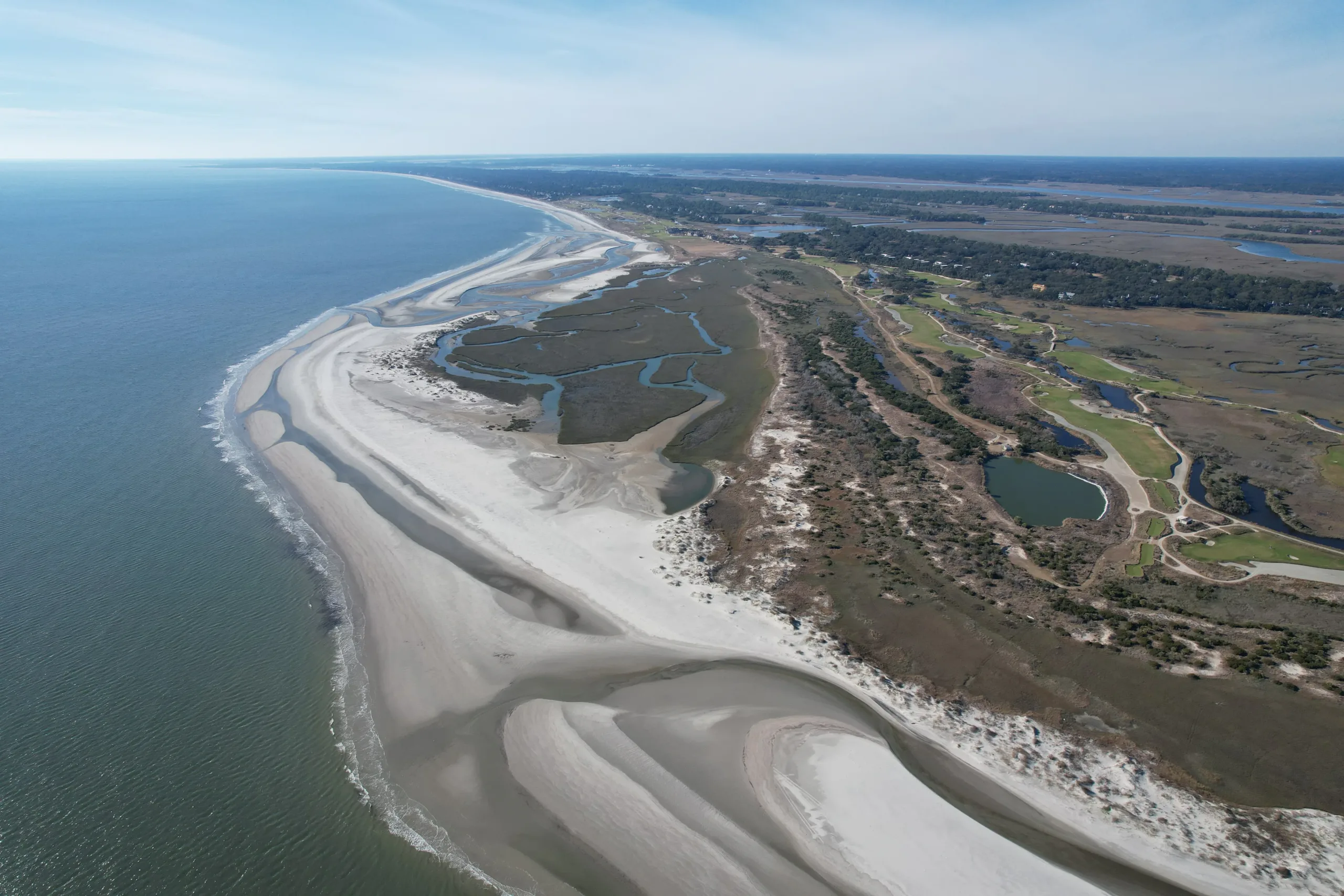
Kiawah Island's northeast end faces periodic erosion as Stono Inlet shoals and channels migrate. Restoration projects in 2006 and 2015 combined nourishment and channel relocation to rebuild beach width, protect vulnerable assets, and sustain downcoast sand movement. Habitat-sensitive design and monitoring supported piping plovers while strengthening long-term coastal resilience.
Balancing Inlet Dynamics and Wildlife Habitat
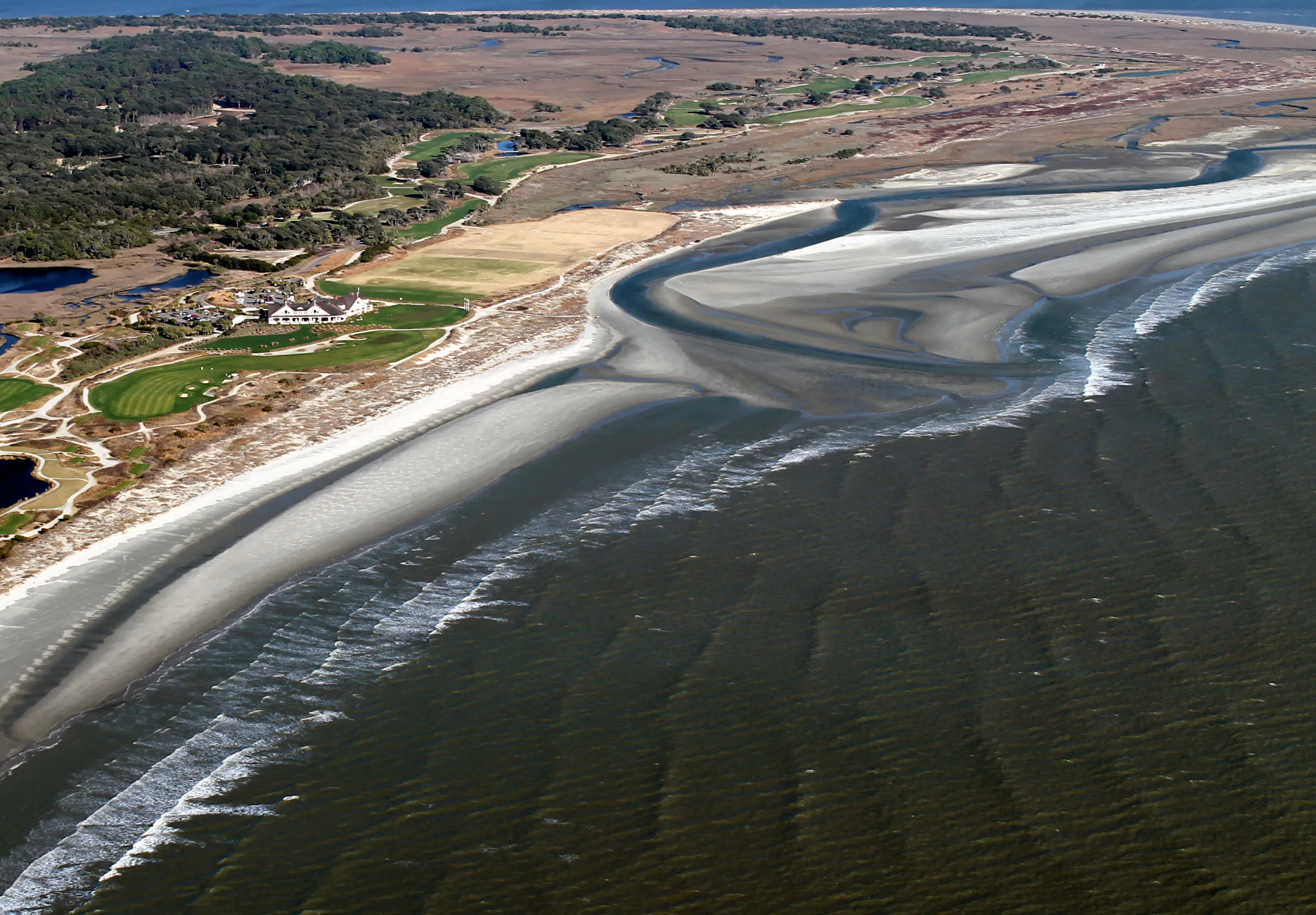
Shifting inlet dynamics created recurring erosion threats along Kiawah Island's oceanfront, with migrating channels progressively altering the shoreline and affecting developed areas. By the early 2000s, channel encroachment placed critical infrastructure, such as sections of the Kiawah Ocean Course, at immediate risk and demanded prompt action. The core challenge was achieving effective shoreline protection while maintaining the ecological integrity of designated piping plover habitat.
Process-Driven, Habitat-Sensitive Shoreline Restoration
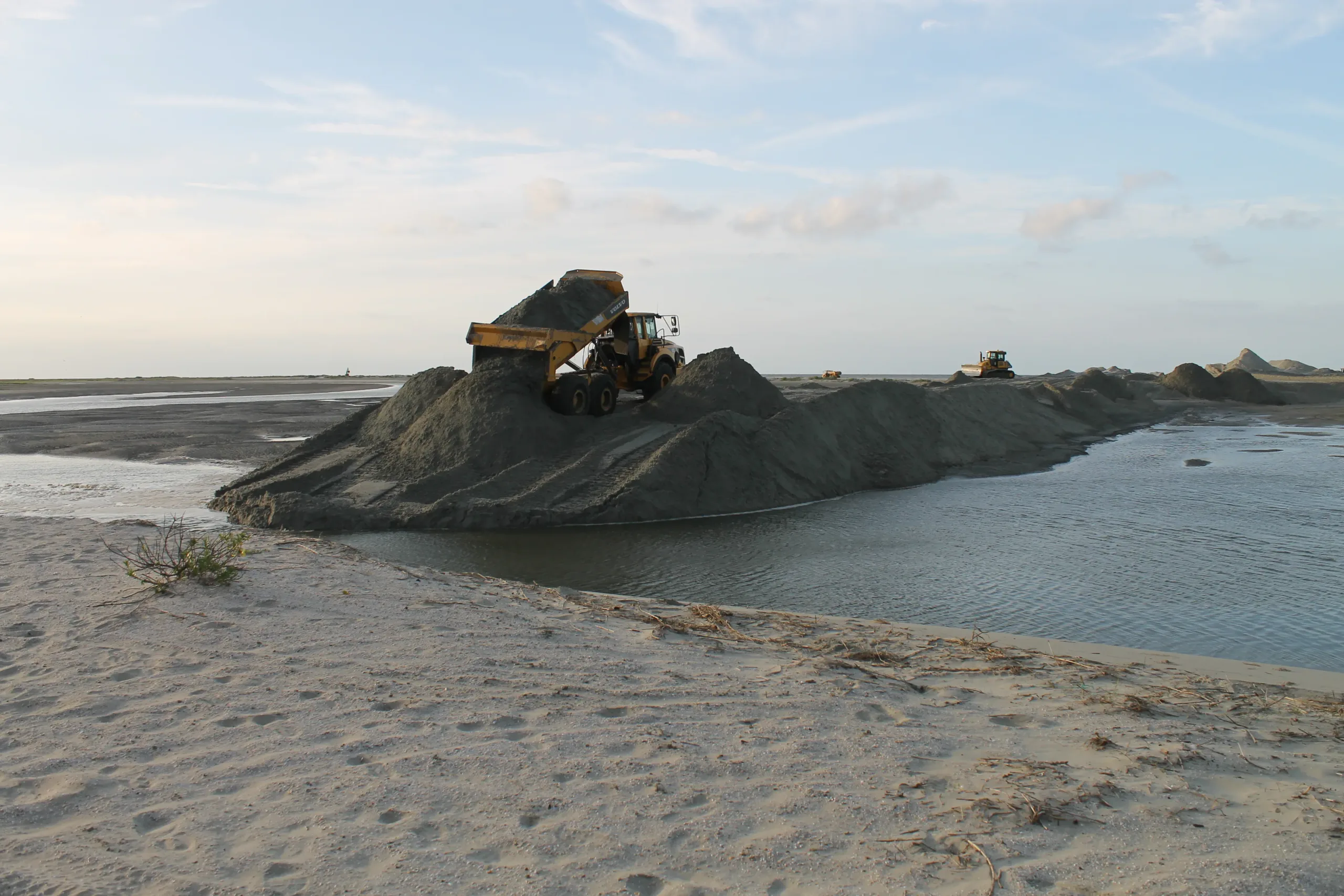
The approach paired targeted nourishment with channel relocation to address erosion from migrating Stono Inlet shoals and shifting tidal channels. Sand placement and alignment adjustments protected vulnerable oceanfront assets while restoring natural sediment transport. Habitat-sensitive measures, including controlled elevations and annual monitoring, supported piping plover habitat and sustained long-term shoreline performance.
Protecting Habitat While Boosting Resilience
Nourishment and channel realignment restored wide protective beaches on Kiawah Island's northeast end, safeguarding oceanfront infrastructure and maintaining downcoast sand flow. Elevation controls and habitat-focused design minimized impacts within piping plover critical habitat while supporting suitable washover conditions. Long-term monitoring and agency collaboration provide a sustainable framework for ongoing shoreline management and stewardship.
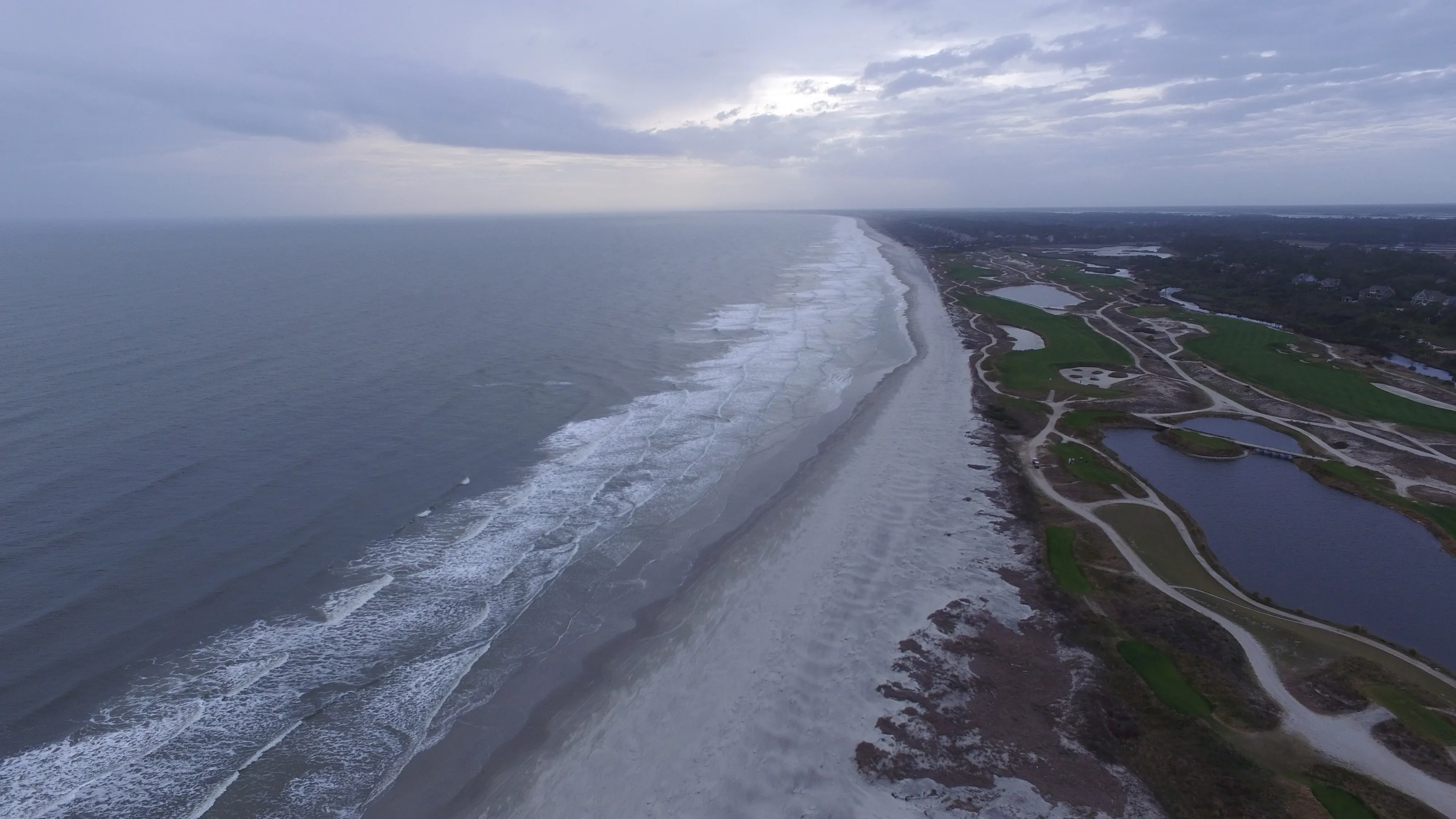
"Adaptive strategies of sand recycling and channel manipulation have preserved the famous Ocean Course from erosion while preserving critical habitat for piping plovers."

Steven Traynum
CSE/Project Manager
Explore More Sediment Management Work
Head back to our projects to see everything under Sediment Management.
Explore Sediment Management