Myrtle Beach, SC
Permitted and delivered Myrtle Beach's pioneering upland sand sourced nourishment, setting regulatory precedent for modern, large-scale coastal restoration in South Carolina.
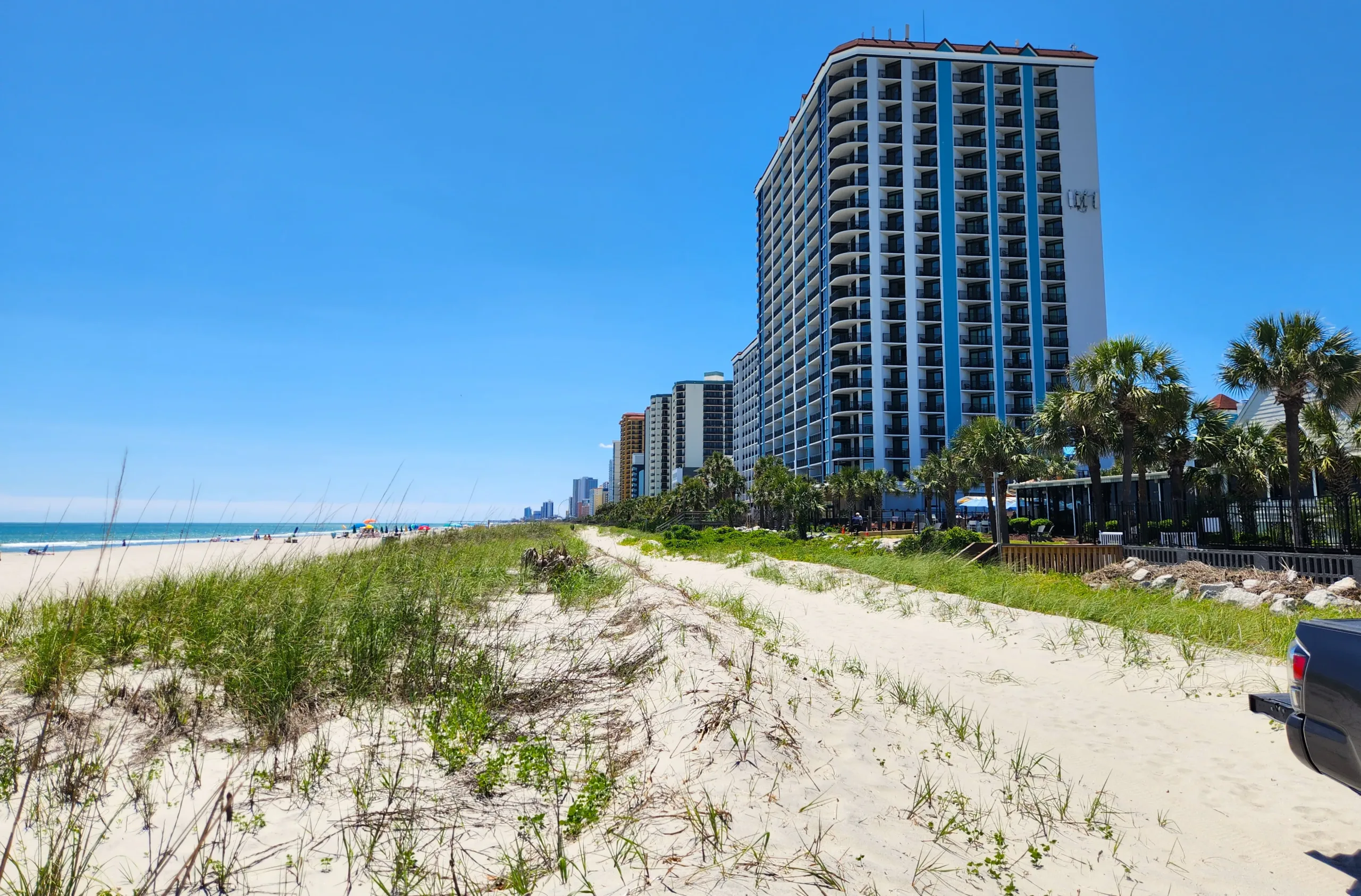
At a Glance
CSE translated an urgent erosion response into a fully authorized, construction-ready restoration effort under evolving coastal regulations. Through rigorous sand compatibility analysis and structured agency coordination, the project demonstrated technical credibility and environmental compliance. The experience helped establish practical permitting standards for future nourishment along South Carolina's developed coastline.
Permitting an Unprecedented Upland Nourishment
Launching Myrtle Beach's first truck-hauled nourishment required navigating a shifting regulatory landscape and skepticism toward large-scale beach restoration. Regulators scrutinized sand compatibility, shoreline jurisdiction along armored stretches, and construction logistics across miles of oceanfront. The challenge was proving that an interim, locally funded solution could meet environmental standards while protecting critical tourism infrastructure.
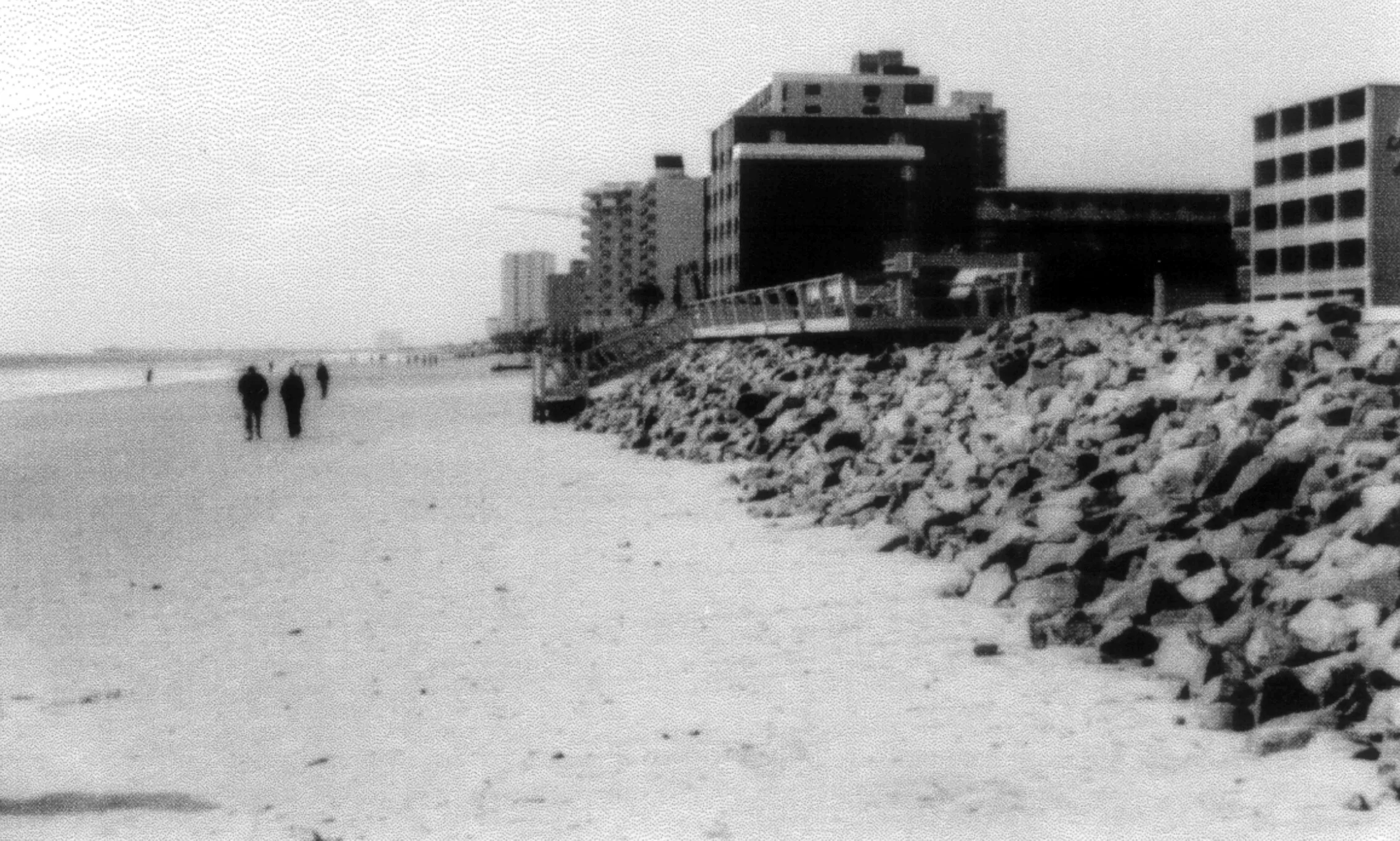
Building a Framework for Beach Restoration
CSE advanced a disciplined permitting strategy grounded in sediment testing, shoreline analysis, and clear construction documentation. Close coordination with state regulators established defensible standards for upland sand compatibility and placement along an armored coastline. The approach translated an interim protection effort into a structured, approval-ready program capable of guiding future large-scale nourishment investments.
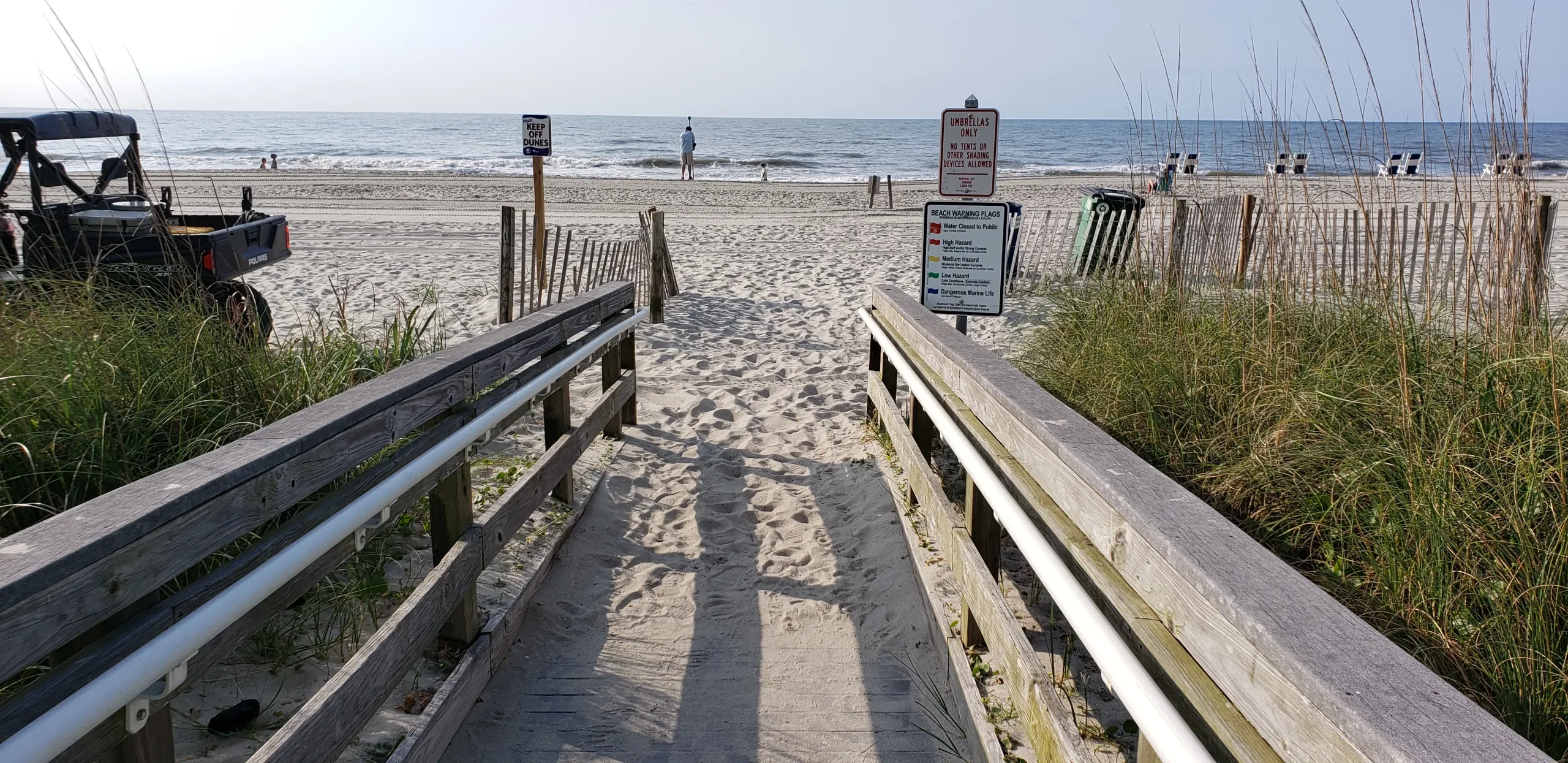
Establishing a Model for Coastal Recovery
Securing permits for Myrtle Beach's first upland nourishment demonstrated that large-scale restoration could succeed within emerging coastal regulations. The project protected oceanfront infrastructure and sustained tourism during a critical gap before federal investment. It also helped shape policy and technical standards that influenced future nourishment programs across South Carolina.
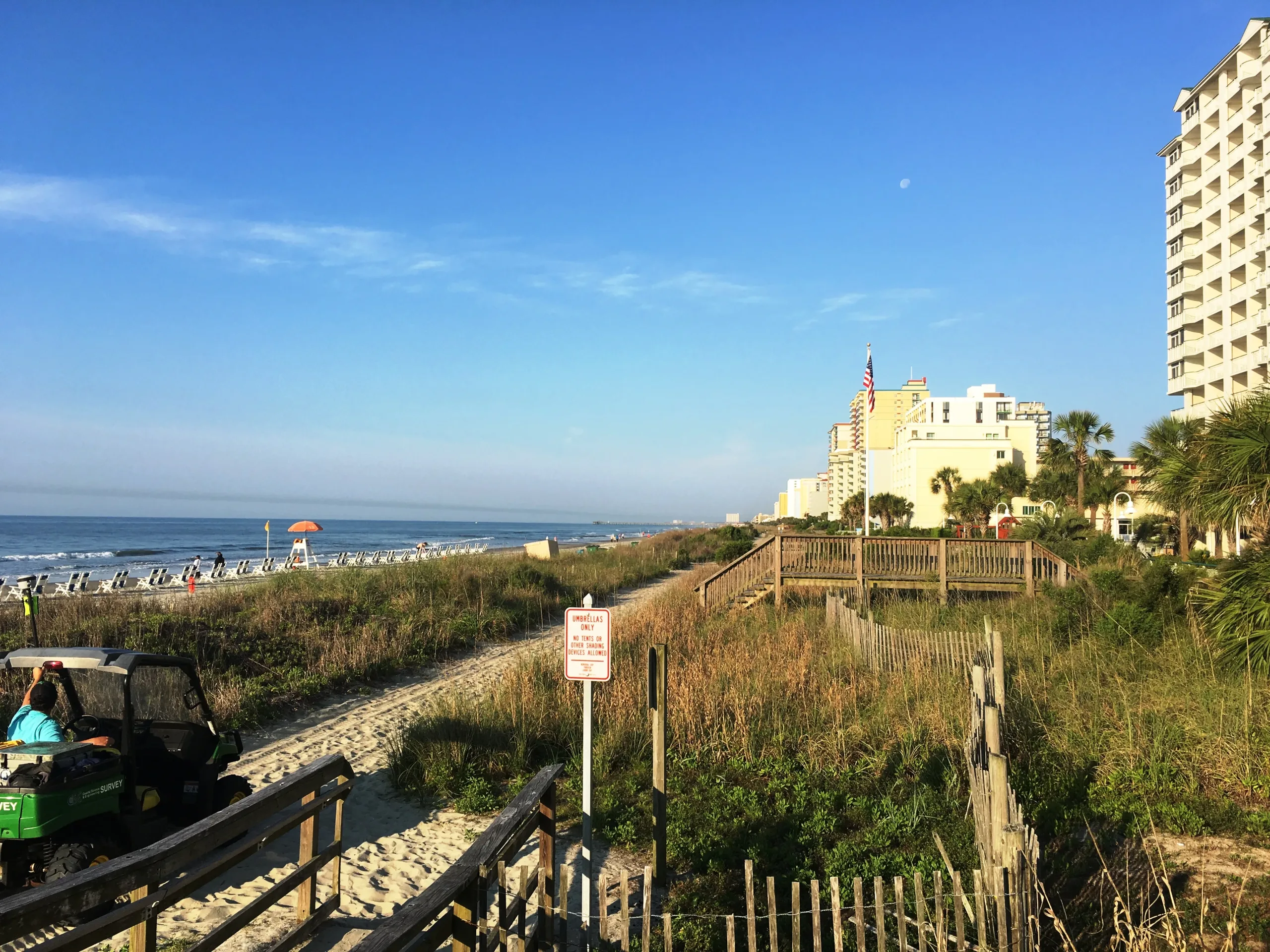
"CSE designed the first locally funded beach nourishment project along nine miles of Myrtle Beach. The 1 million-cubic-yard project served as an interim measure before the 50-year federal project, withstanding Hurricane Hugo and retaining 30% of the placed sand after a decade."

Tim Kana
CSE/Founder
Explore More Permitting Work
Head back to our projects to see everything under Permitting.
Explore Permitting